
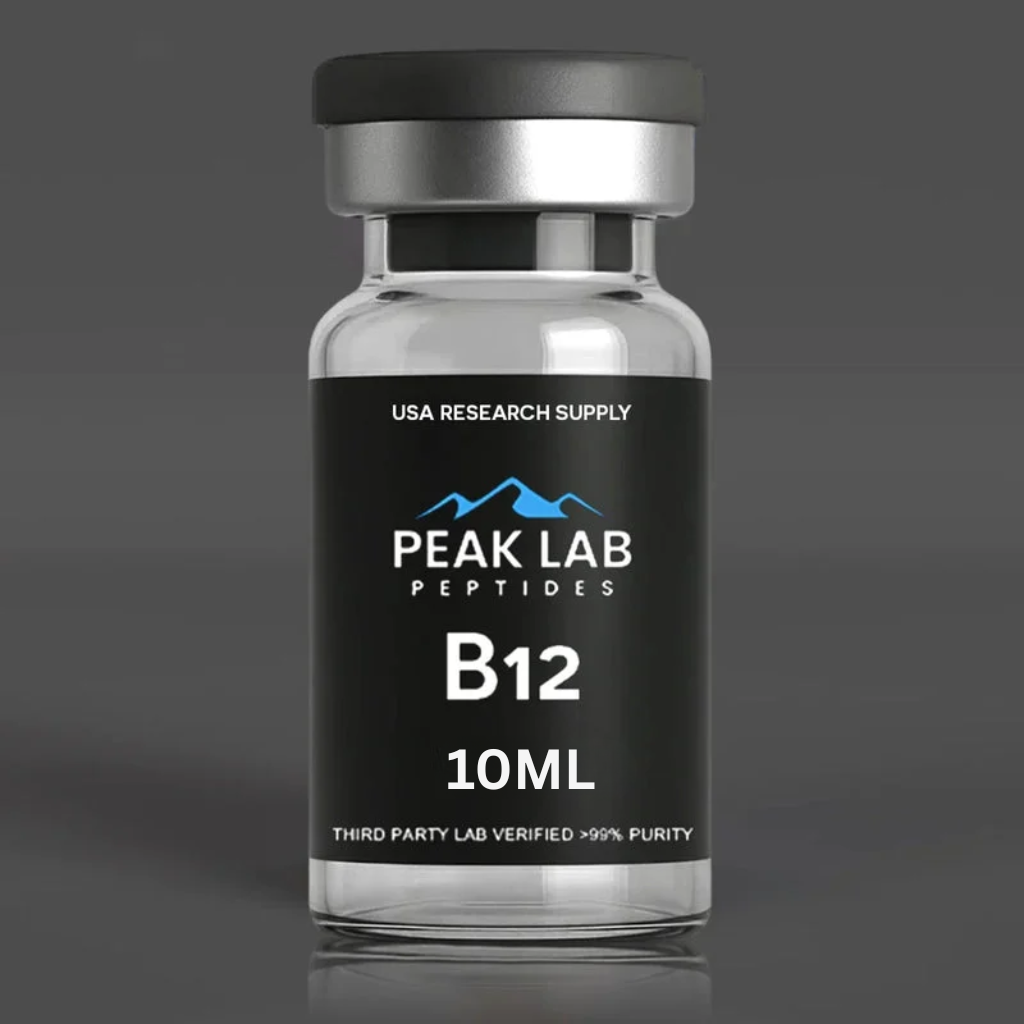
B12 (1ml / 1mg)

$38.00 Original price was: $38.00.$30.40Current price is: $30.40.
In stock
Become a Member and save 20% on Every Order.
Description
Vitamin B12 (Cyanocobalamin)
Vitamin B12 (Cyanocobalamin) – 1mg / 1ml – For Research Use Only
Vitamin B12 (Cyanocobalamin) is a water-soluble vitamin essential for red blood cell formation, neurological function, and DNA synthesis. In research settings, it is studied for its role in energy metabolism, nerve repair, and cognitive support.
Product Details:
Compound: Cyanocobalamin (Vitamin B12)
Concentration: 1mg / 1ml per vial
Form: Sterile injectable solution
Container: 3ml / 10ml multi-dose vial
Storage: Store in a cool, dry place. Refrigerate after opening.
Research Grade: For laboratory research purposes only. Not for human consumption or therapeutic use.
Research Applications May Include: Studies on energy metabolism and fatigue Neurological repair and neuroprotection research Red blood cell production models
This formulation is intended exclusively for research use by qualified professionals. It is not approved for human or veterinary treatment, weight-management protocols, or any clinical wellness applications.
LIPO-C w/o B12 combines multiple agents commonly grouped under the “lipotropic” and metabolic cofactor category:
- Methionine (15 mg/mL): A sulfur-containing essential amino acid and methyl-group donor involved in S-adenosylmethionine (SAM)–dependent methylation reactions.
- Choline Chloride (50 mg/mL): A key precursor for phosphatidylcholine synthesis and a critical factor in very-low-density lipoprotein (VLDL) assembly and membrane integrity in hepatocyte models.
- L-Carnitine (50 mg/mL): A transporter-like molecule supporting mitochondrial uptake of long-chain fatty acids via the carnitine shuttle in cellular bioenergetics studies.
- Dexpanthenol (5 mg/mL): A provitamin B5 derivative that participates in coenzyme A (CoA)–related metabolic pathways.
Supplied in 10 mL and 30 mL multidose vials, LIPO-C w/o B12 is designed to allow flexible dosing schemes for in vitro and in vivo experimental designs, where investigators can adjust exposure parameters to evaluate combined or individual biochemical effects.
6 reviews for B12 (1ml / 1mg)
Lipotropic Components and Hepatic Lipid Handling
Lipotropic compounds such as choline- and inositol-based molecules are widely used in experimental designs to investigate:
- VLDL Assembly and Export: Choline-dependent phosphatidylcholine synthesis is central to very-low-density lipoprotein (VLDL) formation, which is a primary route for lipid export from hepatocytes. Lipotropic combinations are often used to probe how substrate availability affects this process in cell or animal models.
- Triglyceride Accumulation: Models of hepatic steatosis (fat accumulation in the liver) may include lipotropic agents to evaluate whether modulating phospholipid and methyl donors alters lipid droplet behavior or hepatic fat content markers.
- Bile and Phospholipid Balance: Because phospholipids are critical constituents of bile, research may study lipotropic blends to understand how altered phospholipid supply influences bile composition, hepatocyte membrane integrity, and related endpoints.
These lines of investigation are strictly mechanistic and do not establish clinical “fat-burning” or detoxification claims.
Vitamin B12 and One-Carbon Metabolism
Vitamin B12 (cobalamin) is an essential cofactor for several enzymes involved in one-carbon metabolism and energy-related pathways:
- Methionine Synthase: B12-dependent remethylation of homocysteine to methionine is central to the generation of S-adenosylmethionine (SAM), a universal methyl donor used in DNA, protein, and phospholipid methylation.
- Methylmalonyl-CoA Mutase: B12 participates in the conversion of methylmalonyl-CoA to succinyl-CoA, linking certain fatty acid and amino acid degradation pathways into the tricarboxylic acid (TCA) cycle.
In research settings, co-formulating B12 with lipotropic agents allows investigators to explore:
- How methyl-donor and cofactor availability jointly influence homocysteine, SAM/SAH ratios, and related markers
- The relationships between B12 status, hepatic function indicators, and cellular energy metabolism
- The interplay between B12-dependent enzymatic activity and lipid-handling pathways in vitro or in vivo
Combined Formulation Models
Using LIPO-C–type preparations, researchers may design experiments to:
- Compare single-compound versus combination exposure on hepatic gene expression involved in lipid transport and methylation
- Analyze biochemical endpoints such as liver enzyme patterns, oxidative markers, phospholipid species, and methylation indices
- Study whether co-administration of B12 and lipotropic agents influences recovery or adaptation in models of metabolic or dietary stress
These experiments are intended to clarify biochemical mechanisms only and are not configured to support claims about body composition change, detoxification, or clinical outcomes.
Q1: What is LIPO-C w/B12 used for in research?
A1: LIPO-C w/B12 is used to study lipotropic and vitamin B12–related pathways, including hepatic lipid handling, methylation processes, and general metabolic biochemistry in controlled laboratory models.
Q2: Does LIPO-C w/B12 “burn fat” or detoxify the body?
A2: In a research context, LIPO-C w/B12 is not characterized as a fat-burning or detoxification product. It is a tool for examining how specific nutrients and cofactors influence biochemical processes such as liver lipid transport and one-carbon metabolism, rather than a validated method of altering body composition or detoxifying organisms.
Q3: Why is vitamin B12 included in a lipotropic blend?
A3: Vitamin B12 is an established cofactor in one-carbon and energy metabolism. When combined with lipotropic agents, it allows researchers to assess how coordinated changes in methylation capacity and phospholipid synthesis affect hepatic and systemic biochemical markers.
Q4: Is LIPO-C w/B12 intended for human injection or weight-loss programs?
A4: No. LIPO-C w/B12 from research suppliers is labeled for laboratory use only. It is not approved or intended for human or veterinary use, weight-loss programs, or any therapeutic application.
Q5: What kinds of models typically use LIPO-C w/B12?
A5: LIPO-C w/B12 may be used in cell culture or animal models focused on liver biochemistry, methylation and homocysteine pathways, nutrient interaction studies, and metabolic profiling under controlled experimental conditions.
Storage & Handling
All peptides are supplied as sterile, lyophilized powder and are stable when handled correctly.
- On arrival: Store vials in a cool, dry place away from heat and direct sunlight.
- Long-term (powder): For optimal longevity, keep lyophilized peptides refrigerated to help maintain integrity.
- After reconstitution: Use an appropriate research diluent (for example, BAC water). Store the reconstituted solution in the refrigerator and use within 20–30 days for best stability.
Note: Minimize exposure to moisture and repeated freeze–thaw cycles. Follow your institution's safety procedures when handling research materials.
Peak Lab Peptides maintains quality-control processes and routinely performs third-party testing to support purity and identity verification. COAs are available upon request for applicable batches. Documentation may vary depending on production timelines.
We aim to make batch-level documentation available whenever possible. Our goal is to expand COA access across the full catalog as production capacity grows.
All products are for laboratory research use only and are not intended for human consumption.
Related Products
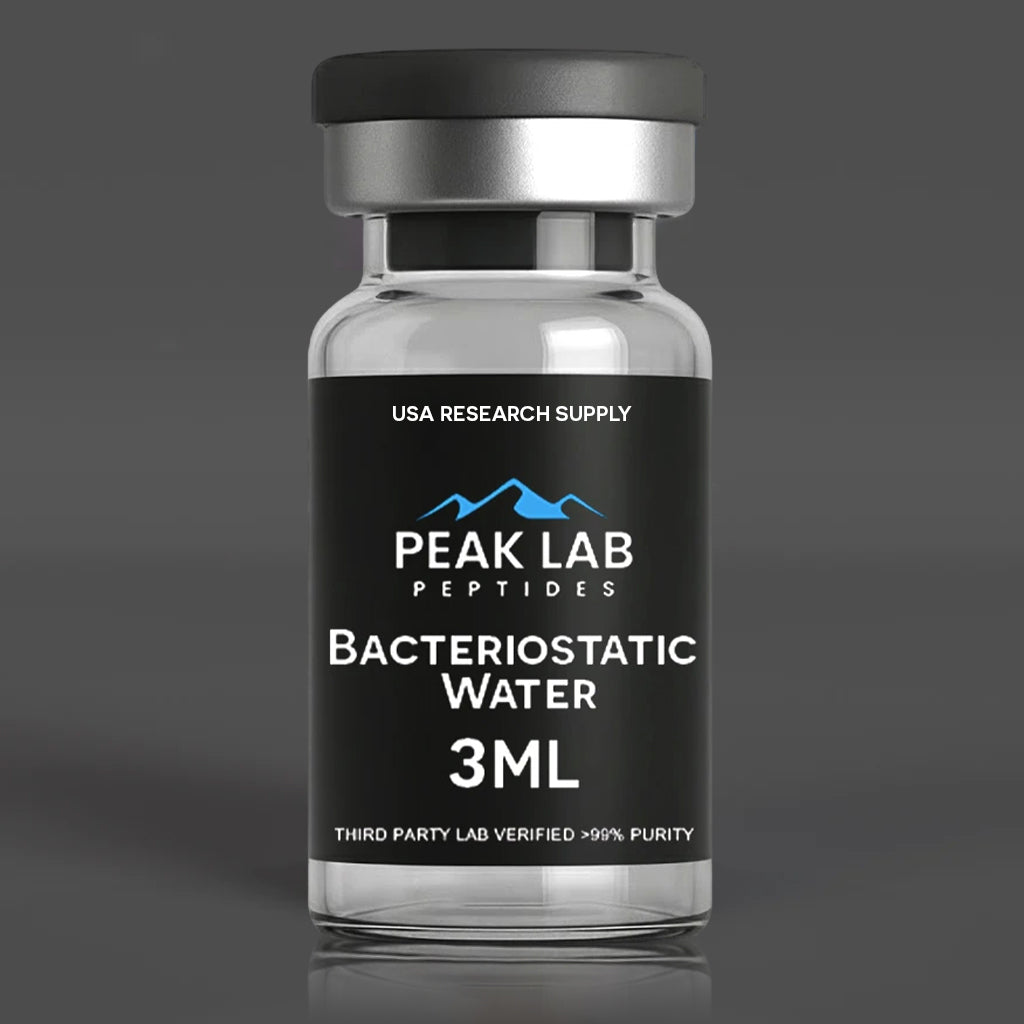

Bacteriostatic Water with .9% Benzyl Alcohol
Bacteriostatic water
Bacteriostatic Water – 3ml – 10ml Sterile Multi-Dose Vial – For Laboratory Use Only
Bacteriostatic Water is sterile, non-pyrogenic water containing 0.9% benzyl alcohol as a bacteriostatic preservative. It is designed for dilution or reconstitution of research peptides, lyophilized powders, and laboratory compounds under aseptic conditions.
The addition of benzyl alcohol inhibits bacterial growth, allowing for multiple withdrawals from the same vial when handled properly in a sterile environment.
Product Details:
Compound: Sterile Water with 0.9% Benzyl Alcohol
Concentration: 0.9% Benzyl Alcohol (preservative)
Volume: 3ml – 10ml multi-dose vial
Form: Sterile injectable-grade water
Storage: Store at 68–77°F (20–25°C); avoid contamination during use
Grade: For laboratory research and preparation use only. Not for injection in humans or animals.
Intended Use:
Reconstitution of lyophilized research peptides
Laboratory dilutions requiring bacteriostatic conditions
Multi-use sterile laboratory applications
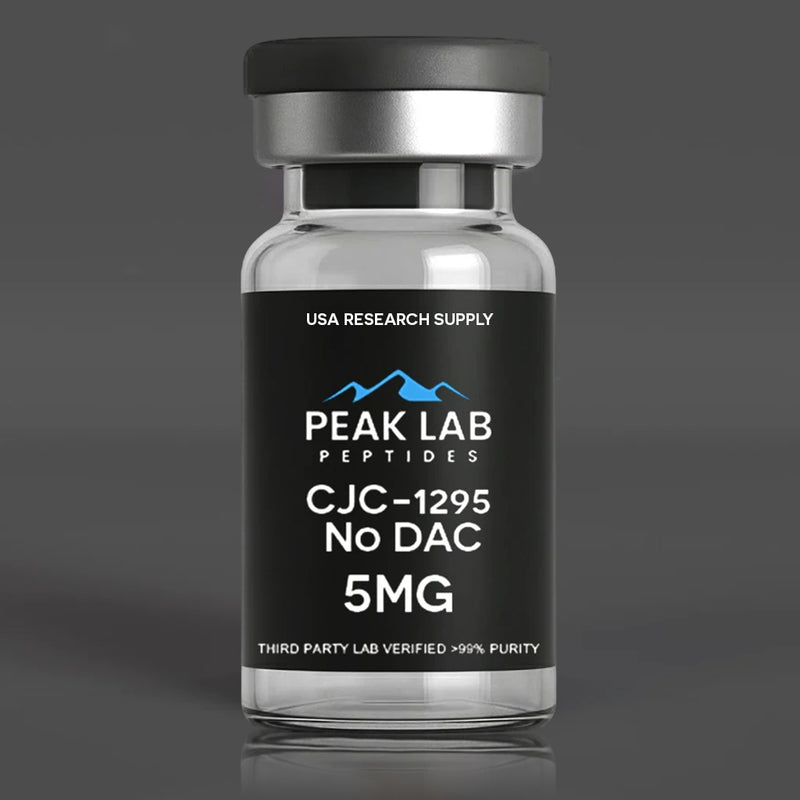

CJC-1295 No DAC
CJC-1295 No DAC
CJC-1295 No DAC – 5mg (Lyophilized Peptide) – For Research Use Only
CJC-1295 No DAC is a synthetic analog of Growth Hormone-Releasing Hormone (GHRH) designed for research on stimulating natural growth hormone (GH) release in a pulsatile manner. The “No DAC” (Drug Affinity Complex) version has a shorter half-life, allowing it to mimic the body’s natural GH secretion rhythm.
CJC-1295 No DAC is commonly studied in models focused on muscle growth, fat metabolism, anti-aging, and recovery when used alone or stacked with other GH secretagogues like Ipamorelin.
Product Details:
Peptide: CJC-1295 No DAC
Purity: >98%
Form: Lyophilized powder
Quantity: 5mg per vial
Storage: Store at -4°F (-20°C). After reconstitution, refrigerate at 36–46°F (2–8°C) and use within 30 days.
Grade: For research purposes only. Not for human use, medical, or diagnostic applications.
Potential Research Applications:
Growth hormone release studies
Muscle growth and recovery models
Anti-aging and longevity research
Fat metabolism and body composition investigations


GLP-1 Cag
Cagrilintide
GLP-1 C – 5mg (Lyophilized Peptide) – For Research Use Only
GLP-1 C is a synthetic analog within the GLP-1 receptor agonist class, studied for its potential effects on appetite regulation, glucose metabolism, and weight control. Research models have explored GLP-1 C for its ability to support insulin sensitivity, reduce food intake, and influence metabolic pathways related to obesity and type 2 diabetes.
GLP-1 C is commonly examined alongside other metabolic peptides for its synergistic potential in multi-pathway metabolic research.
Product Details:
Peptide: GLP-1 C
Purity: >98%
Form: Lyophilized powder
Quantity: 5mg per vial
Storage: Store at -4°F (-20°C). After reconstitution, refrigerate at 36–46°F (2–8°C) and use within 30 days.
Grade: For research purposes only. Not for human consumption, therapeutic, or diagnostic use.
Potential Research Applications:
Appetite suppression and satiety studies
Glucose metabolism and insulin regulation research
Obesity and weight management models
Metabolic health and GLP-1 receptor pathway investigations
For laboratory research use only. This product is not intended to diagnose, treat, cure, or prevent any disease.
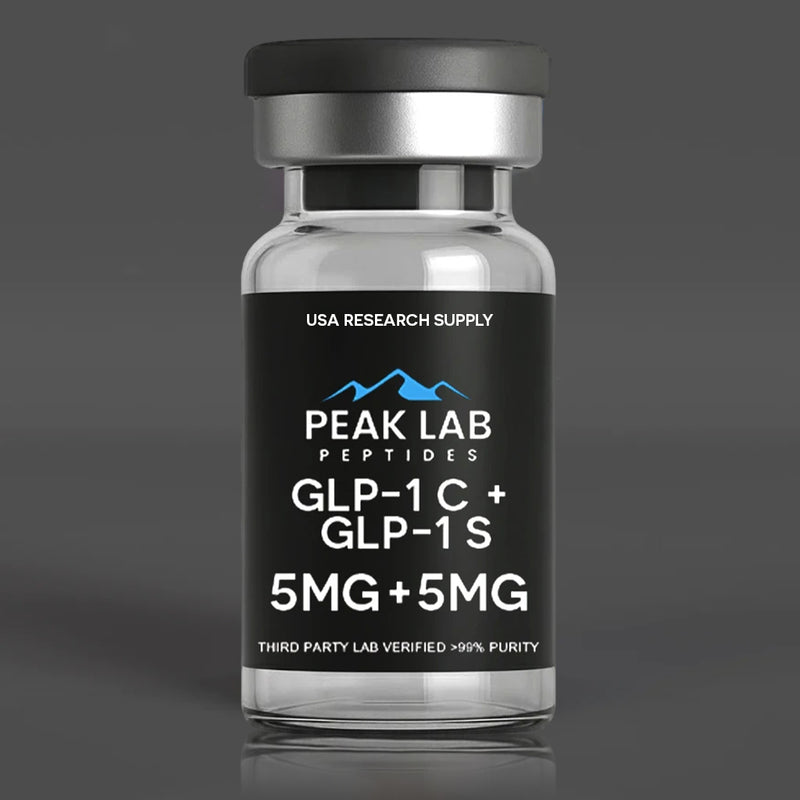
GLP-1 Cag + GLP-1 Sema
Cagrilintide + Semaglutide
Cagrilintide + Semaglutide – 10mg (Lyophilized Peptide Blend) – For Research Use Only
The combination of Cagrilintide and Semaglutide brings together two powerful peptides studied for their potential synergistic effects on appetite regulation, weight management, and metabolic health.
Cagrilintide is an amylin analog researched for its role in promoting satiety and reducing food intake.
Semaglutide is a GLP-1 receptor agonist studied for its effects on appetite suppression, glucose regulation, and insulin sensitivity.
This dual peptide blend is highly regarded in research models focused on obesity, metabolic syndrome, and energy balance.
Product Details:
Peptides: Cagrilintide + Semaglutide (5mg each unless otherwise specified)
Purity: >98%
Form: Lyophilized powder
Quantity: 10mg per vial
Storage: Store at -4°F (-20°C). After reconstitution, refrigerate at 36–46°F (2–8°C) and use within 30 days.
Grade: For research purposes only. Not for human consumption, therapeutic, or diagnostic use.
Potential Research Applications:
Appetite suppression and satiety studies
Obesity and weight management models
Metabolic health and insulin sensitivity research
Dual pathway hormone modulation investigations
For laboratory research use only. This product is not intended to diagnose, treat, cure, or prevent any disease.
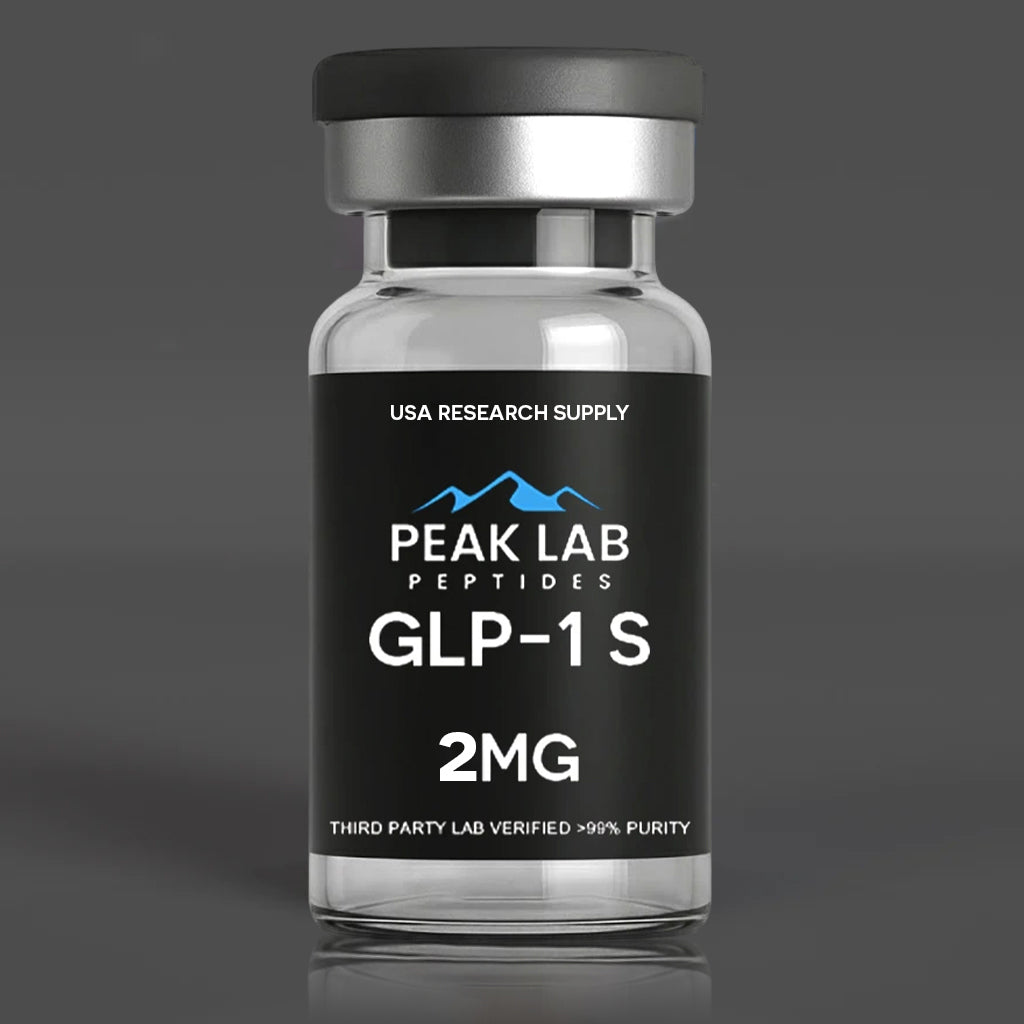
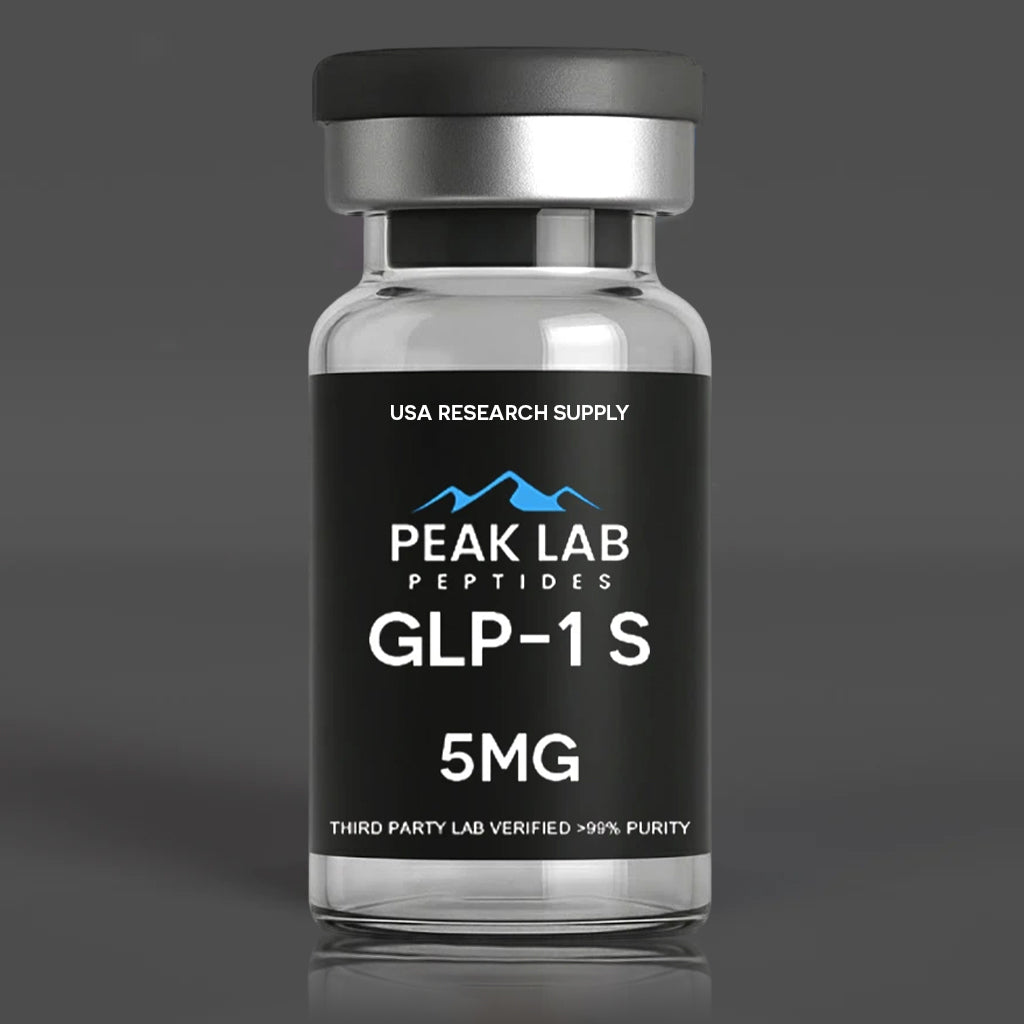
GLP-1 Sema
Semaglutide
GLP-1 S – 5mg (Lyophilized Peptide) – For Research Use Only
GLP-1 S is a synthetic GLP-1 receptor agonist analog studied for its potential role in appetite regulation, glycemic control, insulin sensitivity, and weight management. As part of the glucagon-like peptide-1 (GLP-1) family, GLP-1 S is commonly researched for its effects on satiety signaling, glucose metabolism, and obesity-related models.
Researchers often examine GLP-1 S in combination with other peptides for multi-pathway metabolic studies.
Product Details:
Peptide: GLP-1 S
Purity: >98%
Form: Lyophilized powder
Quantity: 5mg per vial
Storage: Store at -4°F (-20°C). After reconstitution, refrigerate at 36–46°F (2–8°C) and use within 30 days.
Grade: For research purposes only. Not for human consumption, therapeutic, or diagnostic use.
Potential Research Applications:
Appetite suppression and satiety control studies
Glucose metabolism and insulin sensitivity research
Weight management and obesity models
GLP-1 receptor activity and metabolic health investigations
For laboratory research use only. This product is not intended to diagnose, treat, cure, or prevent any disease.
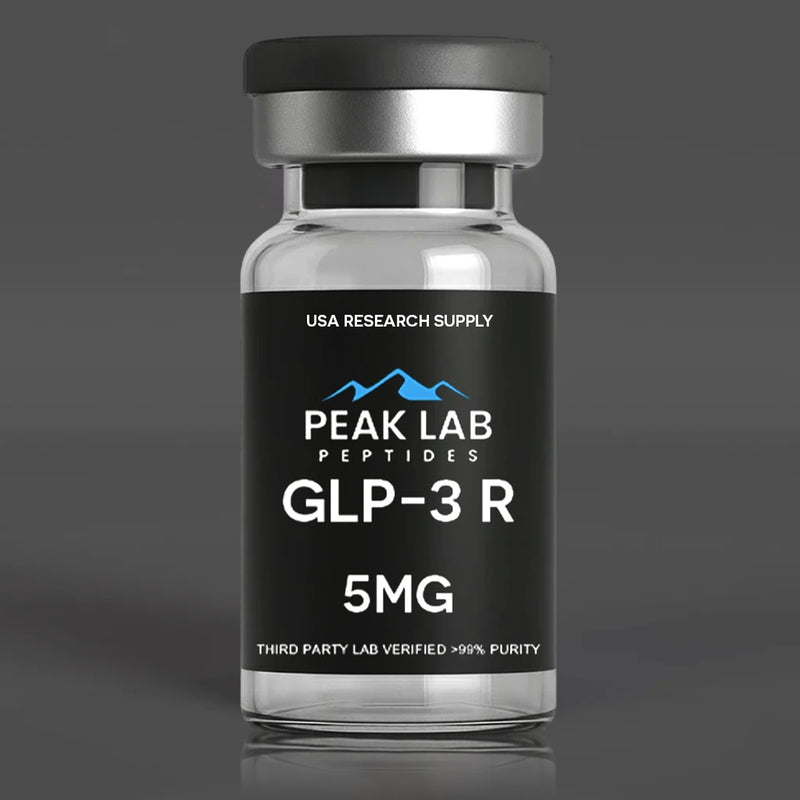

GLP-3 Reta
Retatrutide
GLP-3 R – 5mg-30mg (Lyophilized Peptide) – For Research Use Only
GLP-3 R is a novel research peptide categorized within the glucagon-like peptide (GLP) family, studied for its potential activity on metabolic regulation, appetite control, and glucose homeostasis. While structurally distinct from GLP-1 analogs, GLP-3 R is being investigated for its potential interactions with GLP receptor pathways and its role in energy balance, insulin sensitivity, and weight management.
This compound is part of emerging research aimed at expanding the understanding of gut hormone analogs and their effects on metabolic disorders.
Product Details:
Peptide: GLP-3 R
Purity: >98%
Form: Lyophilized powder
Quantity: 5mg-30mg per vial
Storage: Store at -4°F (-20°C). After reconstitution, refrigerate at 36–46°F (2–8°C) and use within 30 days.
Grade: For research purposes only. Not for human consumption, therapeutic, or diagnostic use.
Potential Research Applications:
Metabolic regulation and energy balance studies
Appetite suppression and satiety signaling research
Glucose metabolism and insulin response models
Exploration of novel GLP receptor analog activity
For laboratory research only. This product is not inte
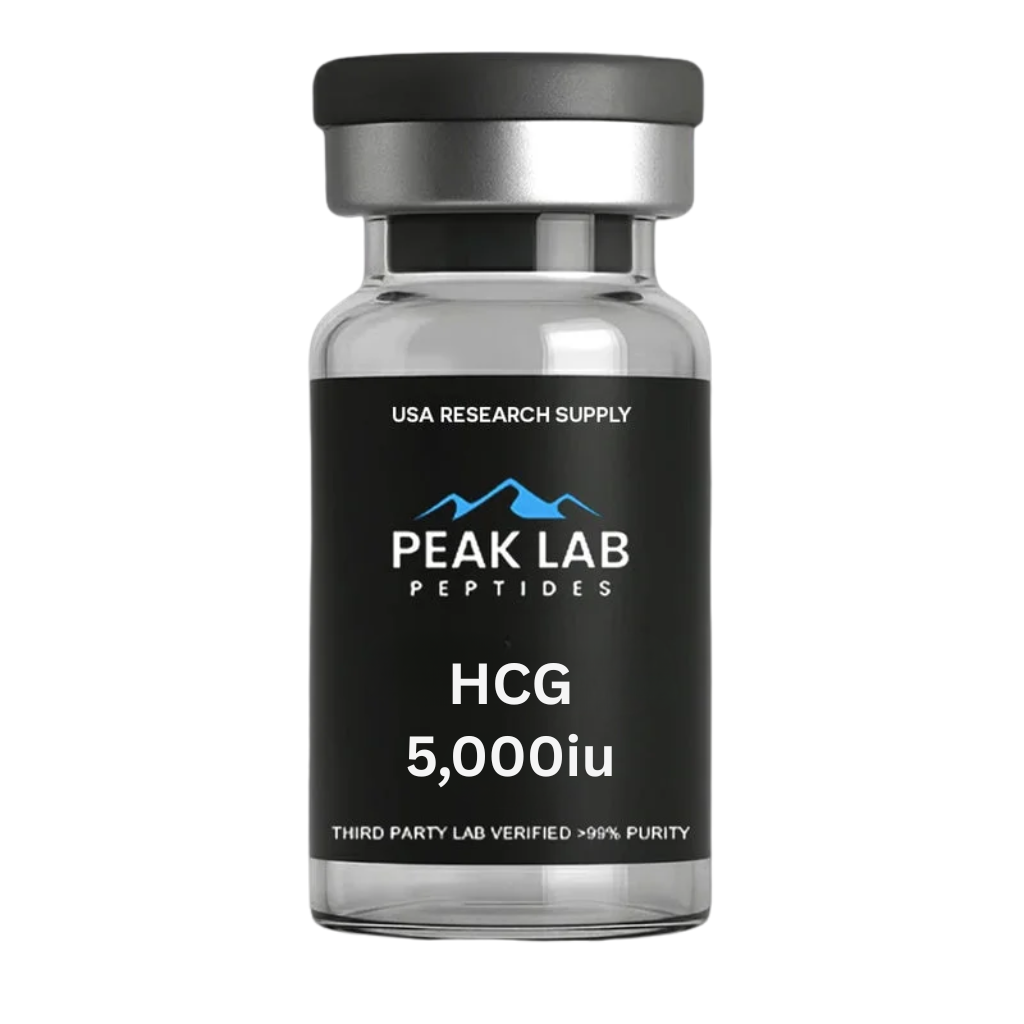

HCG
HCG (Human Chorionic Gonadotropin)
HCG (Human Chorionic Gonadotropin) – 5,000 IU (Lyophilized Powder) – For Research Use Only
Human Chorionic Gonadotropin (HCG) is a glycoprotein hormone naturally produced during pregnancy, commonly studied for its effects on the hypothalamic-pituitary-gonadal (HPG) axis. In research, HCG is used to stimulate testosterone production, luteinizing hormone (LH) activity, and fertility pathways.
HCG is often studied in models exploring spermatogenesis, gonadal function, and hormone regulation in both male and female research subjects.
Product Details:
Compound: Human Chorionic Gonadotropin (HCG)
Potency: 5,000 IU per vial
Form: Lyophilized powder
Purity: Research grade
Storage: Store at -4°F (-20°C). After reconstitution, refrigerate at 36–46°F (2–8°C) and use within 30 days.
Grade: For research purposes only. Not for human consumption, therapeutic, or diagnostic use.
Potential Research Applications:
Testosterone stimulation and LH activity studies
Fertility and reproductive hormone models
Testicular function and spermatogenesis research
Endocrine system modulation investigations
For laboratory research use only. This product is not intended to diagnose, treat, cure, or prevent any disease.
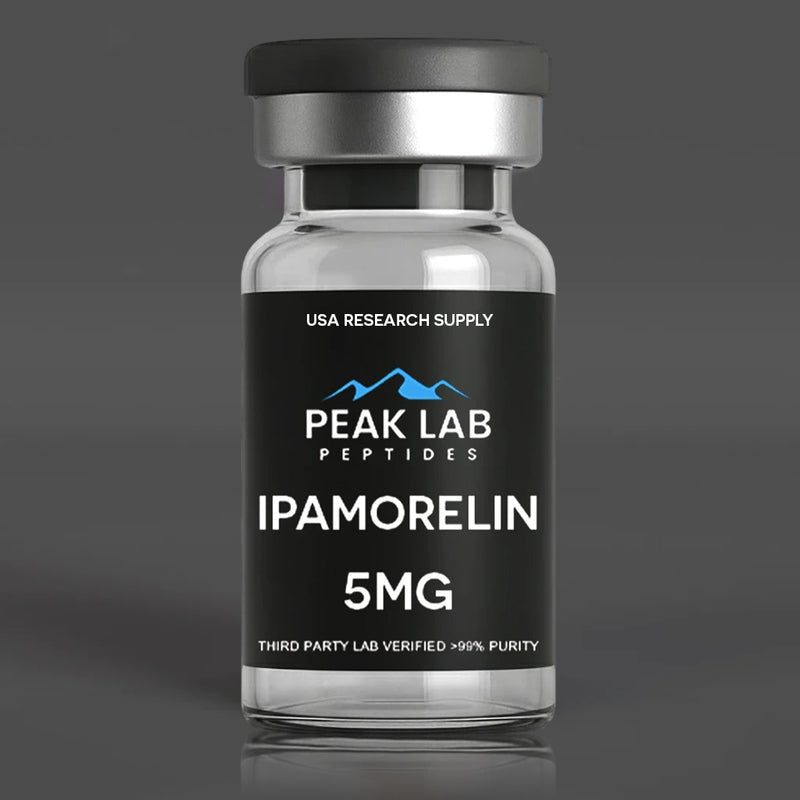

Ipamorelin
Ipamorelin
Ipamorelin – 5mg (Lyophilized Peptide) – For Research Use Only
Ipamorelin is a selective Growth Hormone Secretagogue (GHS) studied for its ability to stimulate natural growth hormone (GH) release without significantly affecting cortisol or prolactin levels. Known for its clean safety profile in research models, Ipamorelin is commonly explored in studies on muscle growth, recovery, fat metabolism, and anti-aging.
Ipamorelin is often paired in research with other GH-releasing peptides like CJC-1295 No DAC for synergistic effects.
Product Details:
Peptide: Ipamorelin
Purity: >98%
Form: Lyophilized powder
Quantity: 5mg per vial
Storage: Store at -4°F (-20°C). After reconstitution, refrigerate at 36–46°F (2–8°C) and use within 30 days.
Grade: For research purposes only. Not for human consumption, therapeutic, or diagnostic use.
Potential Research Applications:
Growth hormone secretion and endocrine studies
Muscle growth, recovery, and anti-aging research models
Fat metabolism and body composition studies
GH axis and pituitary function investigations
For laboratory research only. This product is not intended to diagnose, treat, cure, or prevent any disease.
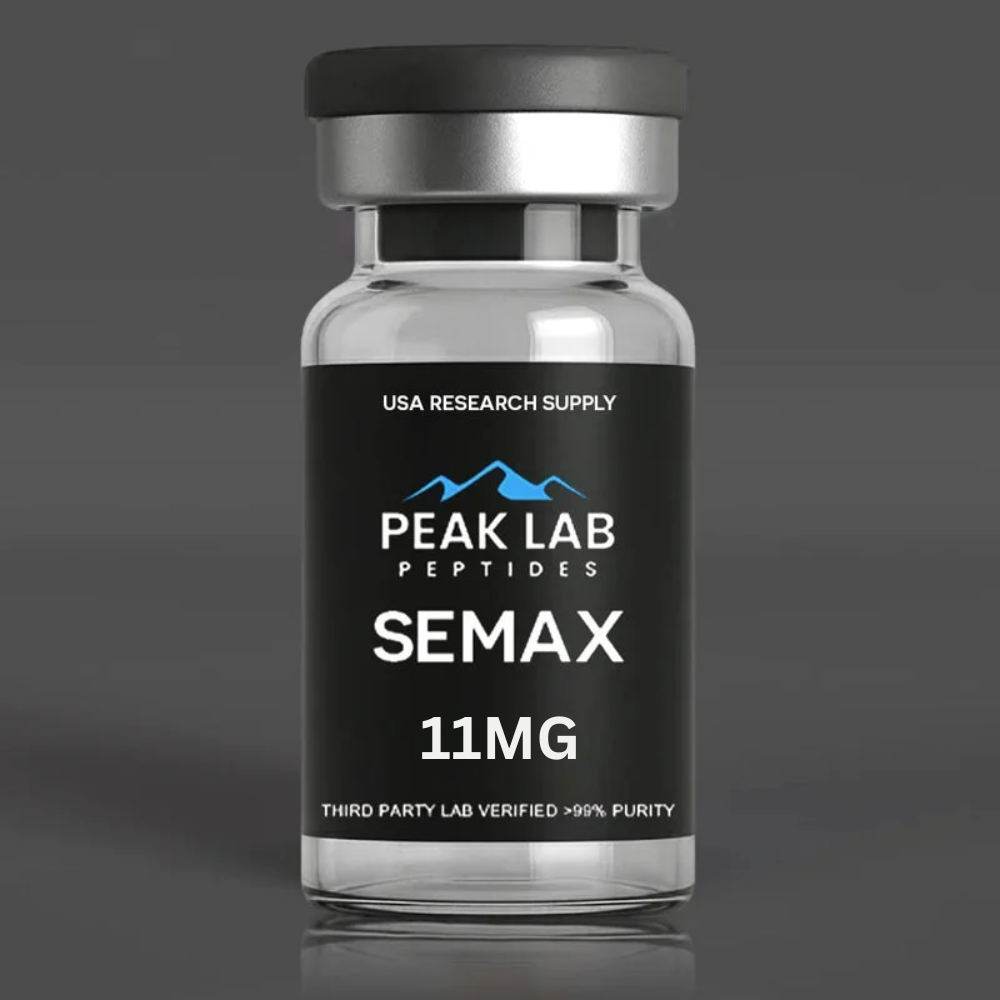

Semax
Semax
Product Details:
Compound: SemaxPurity: >98%Form: Lyophilized powderQuantity: 5mg or 11mg per vialStorage: Store lyophilized at -20°C. Reconstituted product should be refrigerated (2–8°C) and used within 30 days.Research Grade: For laboratory research only. Not for human consumption or therapeutic use.Research Applications May Include: Studies on neuroprotection and cognitive function Exploration of BDNF modulation Investigations into stroke recovery and brain injury models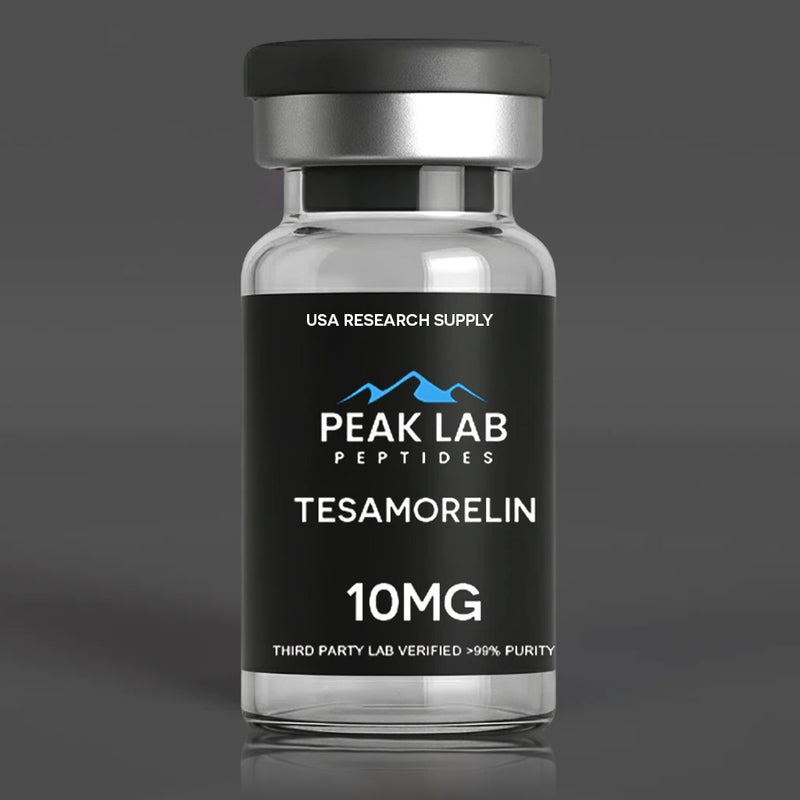

Tesamorelin
Tesamorelin
Tesamorelin – 10mg (Lyophilized Peptide) – For Research Use Only
Tesamorelin is a synthetic peptide analog of Growth Hormone-Releasing Hormone (GHRH), specifically engineered to increase endogenous growth hormone (GH) secretion. It is widely studied for its potential effects on lipolysis, body composition, and metabolic health, particularly in models focused on visceral fat reduction and aging research.
Tesamorelin has been of special interest in studies involving growth hormone deficiency, fat metabolism, and cardiovascular risk markers.
Product Details:
Peptide: Tesamorelin (GHRH analog)
Purity: >98%
Form: Lyophilized powder
Quantity: 2mg per vial
Storage: Store at -4°F (-20°C). After reconstitution, refrigerate at 36–46°F (2–8°C) and use within 30 days.
Grade: For research purposes only. Not for human consumption, therapeutic, or diagnostic applications.
Potential Research Applications:
Growth hormone secretion and lipolysis studies
Visceral adipose tissue and metabolic research models
Body composition and anti-aging investigations
Cardiovascular risk factor and insulin sensitivity studies
For laboratory research only. This product is not intended to diagnose, treat, cure, or prevent any disease.
Edward –
Excellent value for money during discount sales.
Ronald –
Quality control appears to be well maintained and consistent.
George –
Everything arrived correctly with no issues at all.
Brian –
Packaging and presentation reflect high standards.
Kenneth –
A trustworthy store that delivers exactly what it promises.
Kevin –
The ordering process is simple and user-friendly.