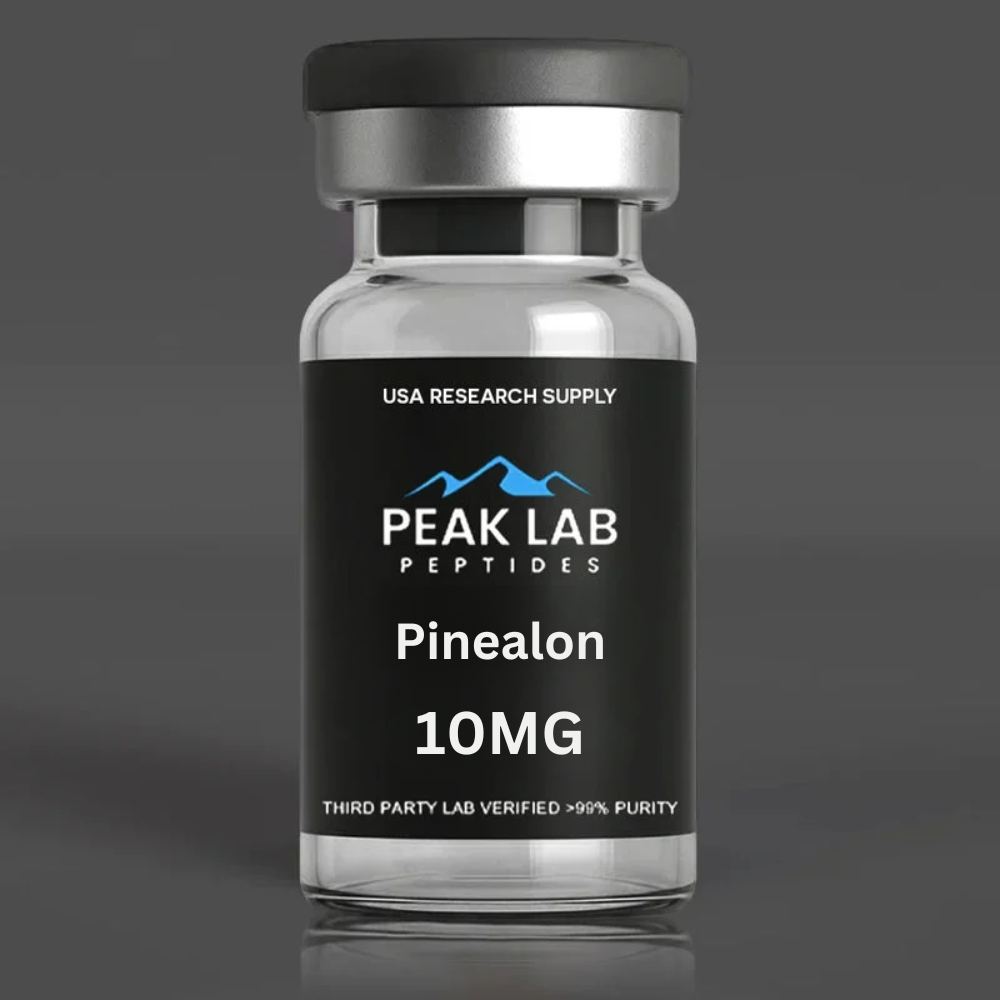
Pinealon

$54.00 Original price was: $54.00.$43.00Current price is: $43.00.
Recommended product: Acetic Acid
Out of stock
Become a Member and save 20% on Every Order.
Description
Pinealon is a synthetic tripeptide research compound with the amino acid sequence Glu–Asp–Arg, studied in laboratory settings for its role in neuronal signaling regulation and cellular stress response pathways. In preclinical research models, Pinealon has been examined for its influence on mitochondrial enzyme activity, oxidative stress–associated signaling, and gene expression programs related to neural function.
Experimental investigations utilize Pinealon as a molecular tool to explore peptide-mediated modulation of neuronal differentiation, energy metabolism, and cellular homeostasis under controlled, non-clinical conditions. Its short peptide structure and intracellular activity profile make it suitable for mechanistic studies focused on neurobiological signaling and metabolic regulation.
Pinealon is supplied exclusively for scientific and laboratory research use. It is not intended for human or veterinary consumption, clinical investigation, diagnostic use, or therapeutic application.
Chemical Identity & Classification
- Synthetic tripeptide
- Amino acid sequence: Glu–Asp–Arg
- Neurobiological signaling research compound
Why Researchers Study Pinealon
- To investigate peptide-mediated neuronal differentiation signaling
- To study oxidative stress response mechanisms in neural cells
- To explore mitochondrial function and energy metabolism regulation
Key Research Systems & Pathways
- Mitochondrial enzyme activity and redox regulation
- Oxidative stress–responsive signaling pathways
- Gene expression linked to synaptic plasticity
- Neural cell homeostasis and metabolic control networks
Pinealon is synthesized under controlled laboratory conditions to ensure high purity, molecular accuracy, and reproducibility for preclinical research applications.
Mechanism of Action & Pathways
In experimental models, Pinealon is studied for its interaction with mitochondrial and nuclear signaling pathways involved in regulating oxidative balance and cellular energy status. Research focuses on how the peptide influences enzyme activity, transcriptional regulation, and stress-adaptive signaling within neural cells.
Cellular & Molecular Research
Pinealon is commonly utilized in laboratory studies examining:
- Regulation of mitochondrial metabolic enzymes
- Oxidative stress–associated signaling cascades
- Peptide-driven gene expression modulation
All investigations are conducted in controlled in vitro or biochemical assay environments.
Neurobiology & Energy Metabolism Research
Research applications may include:
- Neuronal differentiation and maturation models
- Synaptic plasticity–related gene expression studies
- Energy metabolism and cellular homeostasis analysis
These investigations remain exploratory and mechanistic, without therapeutic interpretation.
Experimental Models
- In vitro neuronal and molecular assays
- Ex vivo neural tissue studies
- Non-clinical in vivo preclinical research models
All use is strictly limited to laboratory research contexts.
What is Pinealon used for in research?
Pinealon is used in laboratory research to study neuronal signaling, oxidative stress responses, mitochondrial activity, and peptide-mediated metabolic regulation.
What is the peptide sequence of Pinealon?
Pinealon is composed of the tripeptide sequence Glu–Asp–Arg.
Which pathways are commonly studied using Pinealon?
Research commonly focuses on mitochondrial enzyme regulation, oxidative stress signaling, and gene expression linked to neural plasticity.
Is Pinealon approved for human or clinical use?
No. Pinealon is strictly for research use only and is not intended for human consumption, veterinary use, or clinical application.
How should Pinealon be stored and handled?
Pinealon should be stored and handled according to standard laboratory peptide storage and handling practices to maintain stability and integrity.
Storage & Handling
All peptides are supplied as sterile, lyophilized powder and are stable when handled correctly.
- On arrival: Store vials in a cool, dry place away from heat and direct sunlight.
- Long-term (powder): For optimal longevity, keep lyophilized peptides refrigerated to help maintain integrity.
- After reconstitution: Use an appropriate research diluent (for example, BAC water). Store the reconstituted solution in the refrigerator and use within 20–30 days for best stability.
Note: Minimize exposure to moisture and repeated freeze–thaw cycles. Follow your institution's safety procedures when handling research materials.
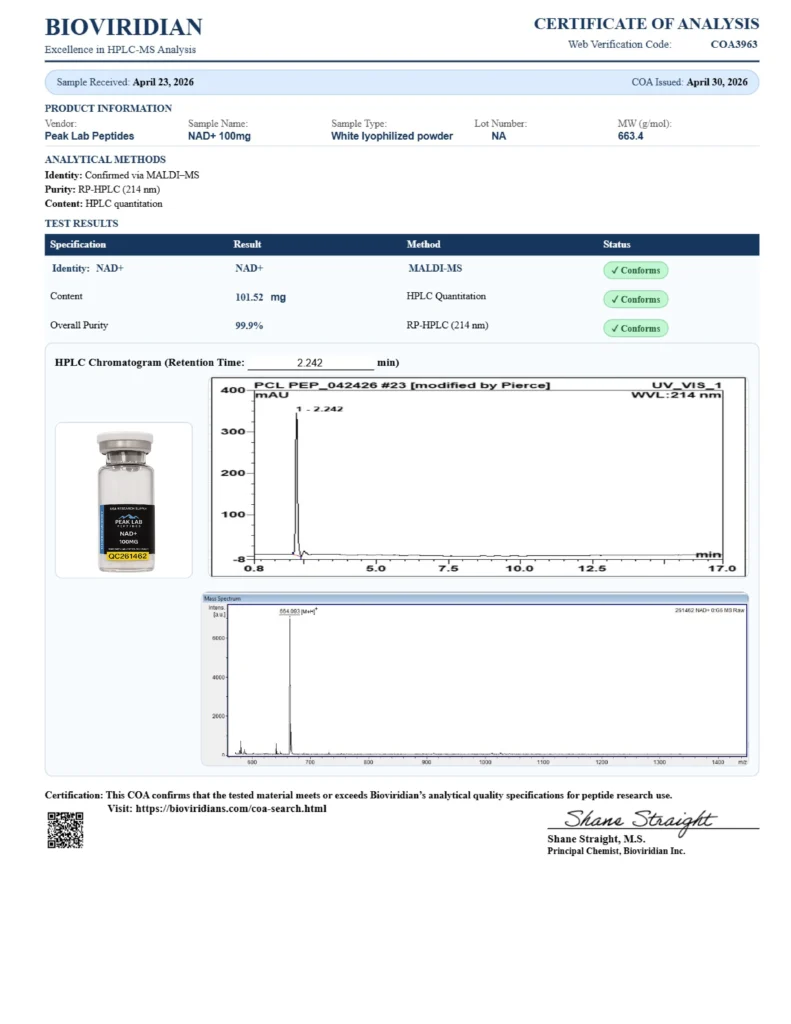
Peak Lab Peptides maintains quality-control processes and routinely performs third-party testing to support purity and identity verification. COAs are available upon request for applicable batches. Documentation may vary depending on production timelines.
We aim to make batch-level documentation available whenever possible. Our goal is to expand COA access across the full catalog as production capacity grows.
All products are for laboratory research use only and are not intended for human consumption.
Related Products
ACE-031

Bacteriostatic Water with .9% Benzyl Alcohol (10ml)
Bacteriostatic water
Bacteriostatic Water 10ml Sterile Multi-Dose Vial – For Laboratory Use Only
Bacteriostatic Water is sterile, non-pyrogenic water containing 0.9% benzyl alcohol as a bacteriostatic preservative. It is designed for dilution or reconstitution of research peptides, lyophilized powders, and laboratory compounds under aseptic conditions.
The addition of benzyl alcohol inhibits bacterial growth, allowing for multiple withdrawals from the same vial when handled properly in a sterile environment.
Product Details:
Compound: Sterile Water with 0.9% Benzyl Alcohol
Concentration: 0.9% Benzyl Alcohol (preservative)
Volume: 3ml – 10ml multi-dose vial
Form: Sterile injectable-grade water
Storage: Store at 68–77°F (20–25°C); avoid contamination during use
Grade: For laboratory research and preparation use only. Not for injection in humans or animals.
Intended Use:
Reconstitution of lyophilized research peptides
Laboratory dilutions requiring bacteriostatic conditions
Multi-use sterile laboratory applications

GHK-Cu
GHRP-2 Acetate
GHRP-6 Acetate
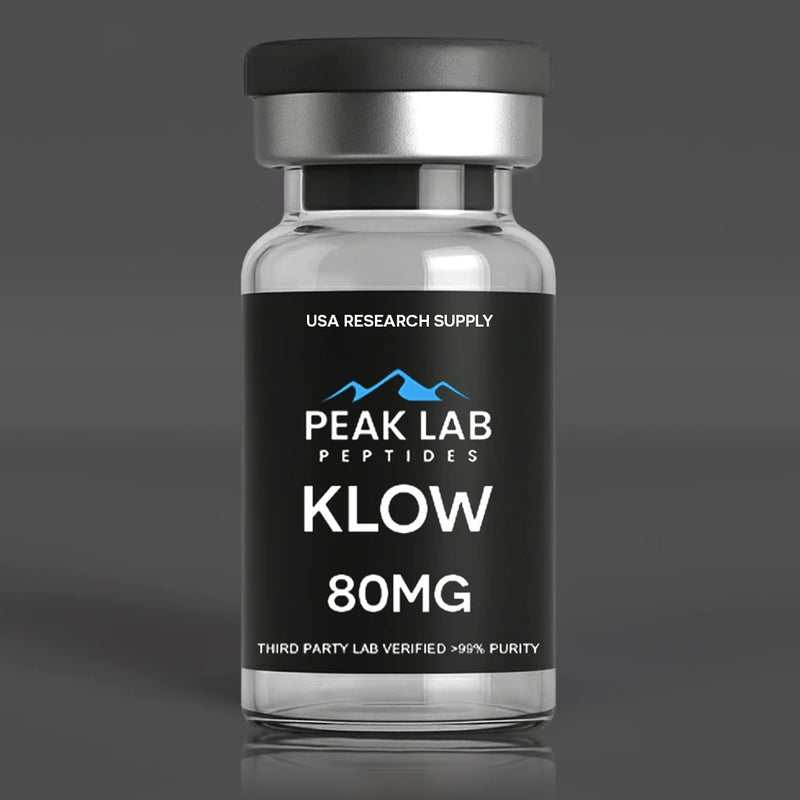

KLOW Blend 80mg – GHK-Cu, TB-500, BPC-157, KPV
KLOW – 80mg Peptide Blend (Lyophilized Powder) – For Research Use Only GHK-Cu • TB-500 • BPC-157 • KPV
KLOW is an advanced 4-in-1 research peptide blend combining 80mg of regenerative and anti-inflammatory compounds studied for their potential in tissue repair, immune modulation, and cellular recovery. Designed for comprehensive healing models, KLOW offers synergistic support across skin, muscle, and gut research applications.Active Ingredients (Per Vial):GHK-Cu – 50mg Studied for skin regeneration, wound healing, collagen stimulation, and hair follicle support.TB-500 – 10mg A fragment of Thymosin Beta-4, known for supporting angiogenesis, cell migration, and muscle recovery.BPC-157 – 10mg Derived from a gastric protein, BPC-157 is studied for gut repair, tendon/ligament healing, and anti-inflammatory effects.KPV – 10mg A tripeptide fragment with strong research interest for localized inflammation and immune modulation, particularly in the gut and skin.Product Details:Total Peptide Content: 80mg per vial: Lyophilized powderPurity: >98%Storage: Store at -4°F (-20°C). After reconstitution, refrigerate at 36–46°F (2–8°C) and use within 30 days.Grade: For research purposes only. Not for human consumption, therapeutic, or diagnostic use.Potential Research Applications:Soft tissue, muscle, and ligament repairSkin rejuvenation and wound healing modelsInflammatory bowel and gut barrier integrity studiesAnti-inflammatory and immune modulation researchFor laboratory research only. This product is not intended to diagnose, treat, cure, or prevent any disease.
KPV (Lysine-Proline-Valine)
Product Details:
Peptide: KPV (Lys-Pro-Val)Purity: >98%Form: Lyophilized powderQuantity: 10mg per vialStorage: Store at -4°F (-20°C). After reconstitution, refrigerate at 36–46°F (2–8°C) and use within 30 days.Grade: For research purposes only. Not for human consumption, therapeutic, or diagnostic use.Potential Research Applications:Gut health and intestinal inflammation models (e.g., IBD, leaky gut)Skin inflammation and dermatitis researchCytokine modulation and immune response studiesLocalized anti-inflammatory peptide therapy researchFor laboratory research only. This product is not intended to diagnose, treat, cure, or prevent any disease.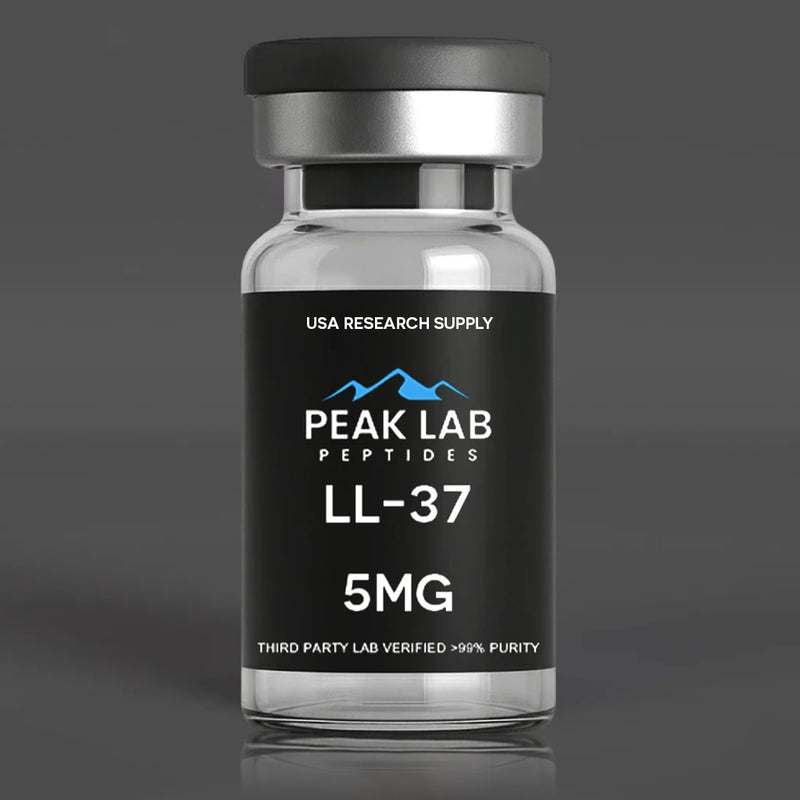
LL-37 (5mg)
LL-37 – 5mg (Lyophilized Peptide in 3ml Vial) – For Research Use Only
LL-37 is a human antimicrobial peptide derived from the cathelicidin family, extensively studied for its roles in innate immunity, antimicrobial defense, wound healing, and inflammation regulation. LL-37 exhibits broad-spectrum activity against bacteria, viruses, and fungi, and plays a key role in modulating the body’s immune and inflammatory responses.In research, LL-37 is of particular interest in models exploring skin healing, immune signaling, tissue regeneration, and antimicrobial resistance.Product Details:
Peptide: LL-37Purity: >98%Form: Lyophilized powderQuantity: 5mg per vialVial Size: 3ml sterile glass vialStorage: Store at -4°F (-20°C). After reconstitution, refrigerate at 36–46°F (2–8°C) and use within 30 days.Grade: For research purposes only. Not for human consumption, therapeutic, or diagnostic use.Potential Research Applications:
Antimicrobial and infection control modelsWound healing and skin regeneration studiesImmune system modulation and inflammation researchStudies on epithelial repair and barrier functionFor laboratory research use only. This product is not intended to diagnose, treat, cure, or prevent any disease.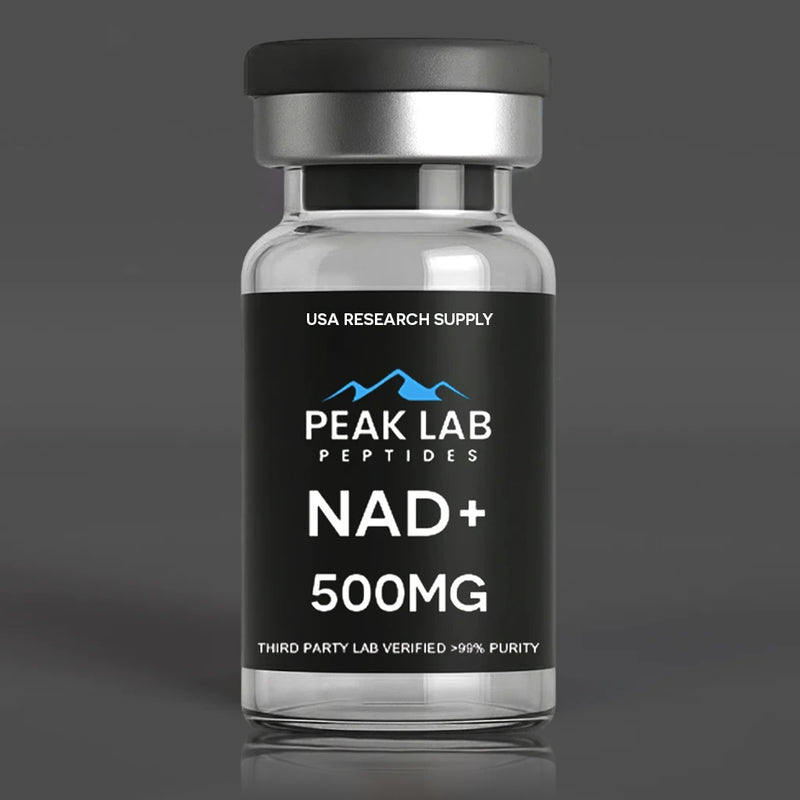
NAD+
NAD+ (Nicotinamide Adenine Dinucleotide)
NAD+ (Nicotinamide Adenine Dinucleotide) – 500mg (Lyophilized Powder) – For Research Use Only
NAD+ is a vital coenzyme found in all living cells, playing a critical role in energy metabolism, mitochondrial function, and cellular repair. It is heavily studied in research models exploring aging, metabolic health, oxidative stress, and neuroprotection.
NAD+ is particularly significant in studies on sirtuin activation, DNA repair pathways, and mitochondrial health, making it a key component of advanced longevity and metabolic research.
Product Details:
Compound: NAD+ (Nicotinamide Adenine Dinucleotide)
Purity: >98%
Form: Lyophilized powder
Quantity: 500mg per vial
Storage: Store at -4°F (-20°C). After reconstitution, refrigerate at 36–46°F (2–8°C) and use within 30 days.
Grade: For research purposes only. Not for human consumption, therapeutic, or diagnostic use.
Potential Research Applications:
Mitochondrial function and energy metabolism studies
Anti-aging, longevity, and sirtuin pathway research
DNA repair and oxidative stress models
Neuroprotection and cognitive function investigations
For laboratory research only. This product is not intended to diagnose, treat, cure, or prevent any disease.